Choose Ana Electric when you need code-true, safety-first electricians in Seattle. You'll get NEC- and Seattle-amended installations: panel upgrades, EV circuits, generator/transfer switches, and tenant fit-outs with staged shutdowns. We come prepared with calibrated meters, PPE, and lockout/tagout controls. Expect documented load calculations, torque specs, AFCI/GFCI tests, grounding/bonding verification, and inspection-ready as-builts. Pricing is transparent and itemized, with permits coordinated and timelines aligned to your project. If you seek specifics on process, compliance, and coverage, you've come to the right place.
Key Takeaways
The Reasons Home and Business Owners Pick Ana Electric
Cut through the uncertainty with a team that handles every panel, circuit, and permit according to code. You select Ana Electric because we verify, install, and design electrical systems to the most current NEC and Seattle code amendments. We document load calculations, torque specs, and grounding continuity, then supply detailed closeout reports. Our technicians show up with calibrated meters, lockout/tagout gear, and PPE, so every task stays safe and controlled.
You'll receive actionable energy audits that detect inefficiencies, harmonics, and standby loads, then quantified ROI options for upgrades. We verify AFCI/GFCI functionality, validate fault currents, and label equipment for serviceability. Scheduling is reliable, change orders are supported with data, and inspections clear on first submission. Customer testimonials verify consistent quality, transparent communication, and enduring results.
All-Inclusive Domestic Electric Services
Typically the best decision is a licensed team that handles all residential scope to code: new construction wiring, service upgrades, EV charger circuits, panel replacements, lighting and control design, smart-home integration, generator/transfer switches, and troubleshooting. You get engineered solutions that align with the NEC, local amendments, and load calculations checked before installation. We assess grounding, bonding, AFCI/GFCI protection, and surge mitigation to protect people and equipment.
Our home lighting optimization includes lumens, color temperature, and controls—dimmers, occupancy sensors, and smart scenes—on properly sized, dedicated circuits. Our outlet upgrades include tamper-proof outlets, countertop GFCI protection, and dedicated appliance circuits to eliminate nuisance trips. We remove hazardous aluminum connections, correct open neutrals, and mark panels with clear labels. You receive permits, inspections, test reports, and documented warranties.
Commercial and Tenant Improvement Solutions
Enter the world of commercial and tenant improvements with a team that builds to engineering standards, schedules to your milestones, and keeps operations safe and online. You get comprehensive project designs, stamped drawings, and clean installations that connect to base-building systems without interfering with revenue hours.
We provide Tenant fit outs, commercial rewiring, service panel enhancements, and service capacity increases matched to actual load profiles. We provide properly coordinated conduit routing, marking conventions, and termination practices that support future expansion. We organize shutdowns, provide temporary power, and sequence cutovers to preserve uptime.
From emergency egress lighting to selective coordination and arc-fault mitigation, we engineer stable distribution that adheres to equipment specifications and landlord requirements. Low-voltage pathways, metering, and surge protection are planned, documented, and tested, ensuring a scalable, compliant, and maintainable electrical system.
Code Compliance and Safety-Focused Practices
You require strict adherence to the NEC and Seattle Electrical Code, with clear documentation of conductor sizing, grounding, and fault protection. We utilize task-appropriate PPE and maintain Lockout/Tagout to ensure zero-energy verification before any work starts. We secure the required permits, coordinate inspections, and supply as-built records to guarantee your system passes on the first review.
National Electrical Code and Seattle Codes
Even though each project is unique, our work adheres to the same foundation: strict alignment with the National Electrical Code (NEC) and the Seattle Electrical Code. You obtain designs and installations that meet the latest adopted editions, including Seattle's local amendments. We confirm conductor sizing, overcurrent protection, and fault-current ratings, then document specifications for inspection.
You'll observe compliant service entrance designs with clear working clearances, labeled disconnects, and proper bonding and grounding. We implement Article 250 methods, verify electrode continuity, and test impedance to restrict touch voltage during a ground fault. We also verify AFCI/GFCI protection where needed, tamper-resistant devices, and correct box fill and derating. Equipment listings, wiring approaches, and penetrations conform to listing instructions and Chapter 3 requirements. Final deliverables include as-builts and ready-for-inspection compliance reports.
PPE and Lockout/Tagout Procedures
Building on compliant design and installation, field work adheres to strict PPE and lockout/tagout controls to keep energized hazards at bay. You determine all energy sources, verify lack of voltage, and apply isolation devices with durable tags and locks under a documented procedure. You wear personal protective equipment appropriate for incident energy and task: arc-rated clothing, voltage-rated gloves with leather protectors, eye and face shields, EH-rated footwear, and hearing protection. You use insulated tools, barriers, and test instruments confirmed on a known source before and after testing.
You retain control of access keys, post boundaries, and coordinate shift changes so no device is re-energized before clearance. You re-verify zero energy state prior to removal of lockout/tagout and PPE, restoring devices systematically and securely.
Building Permits and Inspections
In advance of a single conductor gets pulled, permits and inspections define the safety and compliance baseline for the project. You obtain the right permit scope, validate fee schedules, and map permit timelines to your construction sequence to prevent idle crews and rushed work. You review NEC, WAC, and Seattle DCI requirements, documenting load calculations, conductor sizing, grounding, bonding, AFCI/GFCI locations, and fault-current ratings.
You organize work for every inspection, utilizing a detailed inspection checklist: rough-in box fill, staple spacing, derating, conduit support intervals, equipment working clearances, service disconnect labeling, bonding jumpers, and arc-fault/GFCI protection verification. You ensure as-builts accurate, resolve red tags promptly, and initiate re-inspections only when corrections are confirmed. Final sign-off matches panel schedules, torque records, and test results.
Transparent Costs and Transparent Communication
You get an upfront, itemized estimate that lists labor, materials, permits, and inspections per NEC and local code requirements. We outline scope and total cost before work commences, with no hidden charges or surprise add‑ons. During the project, we give you easy-to-understand updates on progress, safety checks, and any code-driven adjustments.
Clear, Itemized Cost Breakdowns
Rely on upfront, line-by-line estimates that spell out labor, materials, permit fees, and code-driven requirements before any work kicks off. You are provided with a complete breakdown linked to scope, showing fixture counts, conductor types and lengths, device ratings, panel space, GFCI/AFCI needs, grounding upgrades, and inspection steps. We tie each line with NEC and Seattle amendments, so you recognize what's mandated and why.
We employ standardized unit costs and site-specific quantities for clear cost visibility. If field conditions differ—buried junctions, aluminum branch circuits, or load calculation results—we adjust the estimate for accuracy and compliance, with your approval first. You'll be informed of timelines, access needs, utility coordination, and shutoff plans. Our documentation explains warranty terms, submittals, and disposal methods, providing safe execution and predictable budgeting from start to finish.
No Concealed Fees
Although scopes change during real-world work, our pricing never conceals extras. You get upfront billing tied to defined tasks, materials, and code-compliant methods, so no hidden charges emerge when we open a panel or trace a circuit. We offer a flat rate for each approved scope segment, calculated from labor hours, parts specifications, and required permits. If conditions demand a change, we halt, price it, and obtain your authorization.
Our cost structure adheres to NEC-driven processes and safety best practices. You'll find straightforward costs for service-entrance work, grounding upgrades, AFCIs, or GFCIs. We also provide bundle discounts when you bundle related services—like panel upgrades with surge protection—reducing total labor mobilizations. Clear calculations, documented assumptions, and locked pricing protect your timeline, financial plan, and safety.
Simple-Language Revisions
Clear pricing only works when updates are just as clear. You'll get plain-language briefings that translate NEC standards, load calculations, and permit procedures into specific actions, timelines, and costs. We identify scope changes instantly, document their code drivers, and detail safety impacts so you can make informed decisions.
We set clear milestones, supply written modification orders, and document progress with timestamped photos. You see circuit identification, breaker specifications, GFCI/AFCI locations, and grounding enhancements presented in clear language. When we suggest electrical panel derating or arc-fault safety measures, we clarify the risk, the standard, and the price prior to beginning work.
You'll additionally obtain community updates on outages, inspections, and city initiatives, plus actionable energy suggestions—such as LED retrofits, smart controls, and load management—to decrease usage while ensuring compliance and safety.
Project Journey: From Initial Consultation to Final Walkthrough
Before we begin any physical work, we begin with a thorough on-site consultation to determine scope, load requirements, code compliance requirements, and safety priorities. We confirm service capacity, chart circuits, determine grounding/bonding requirements, and record access or shutoff procedures. You'll receive a written plan, clear timeline expectations, and a detailed scope proposal with specified materials and permit requirements.
Upon permit approval, we arrange work to reduce outages. We lockout/tagout, protect finishes, and complete installations per NEC, local amendments, and manufacturer specs. We mark panels, torque terminations to spec, and test ground fault and arc fault protection, fault current, continuity, and polarity. Once energized, we validate systems, show operation, and document warranty details and maintenance requirements.
The final walkthrough verifies punch-list closure, inspector sign-off, and post installation support details.
Final walkthrough confirms completion of the punch list, inspector sign-off, and post installation support details.
Final inspection validates all punch-list items, inspector sign-off, and post installation support details.
Final inspection validates all punch-list items, inspector authorization, and post installation support details.
Service Areas Across Seattle and Neighboring Communities
Regardless of how project scopes change, you can count on the same compliant, safety-first workmanship throughout Seattle and adjacent communities. We assign licensed electricians to dense urban cores and growing edges, aligning installations and repairs with NEC, WAC, and local amendments. You can expect exact load calculations, proper grounding, and documented inspections wherever you are.
We service central neighborhoods and targeted Suburban expansions, backed by fully-equipped trucks and consistent quality assurance protocols. By way of local consultation, we identify infrastructure nuances—outdated knob-and-tube, varied panel inventories, EV-ready circuits—and customize methods accordingly. We coordinate permits, organize utility shutoffs when needed, and verify arc-fault/GFCI protection per local codes. From emergency troubleshooting to panel upgrades and lighting retrofits, we ensure response reliability, effective communication, and jobsite safety—so your system functions consistently, block to block.
Frequently Asked Questions
Do You Have Available Emergency-Response After-Hours and Weekend Electrical Services?
Yes, it's possible to request emergency after-hours or weekend electrical services. We offer a 24/7 response for outages, faults, and unsafe conditions, arriving with calibrated meters and code-compliant materials. We isolate hazards, restore service safely, and document results per NEC and local amendments. You'll approve clear emergency rates before work begins. We give priority to life-safety circuits, GFCI/AFCI issues, service equipment failures, and storm damage, then schedule permanent repairs if needed.
Are You Able to Assist With EV Charger Selection and Utility Rebate Applications?
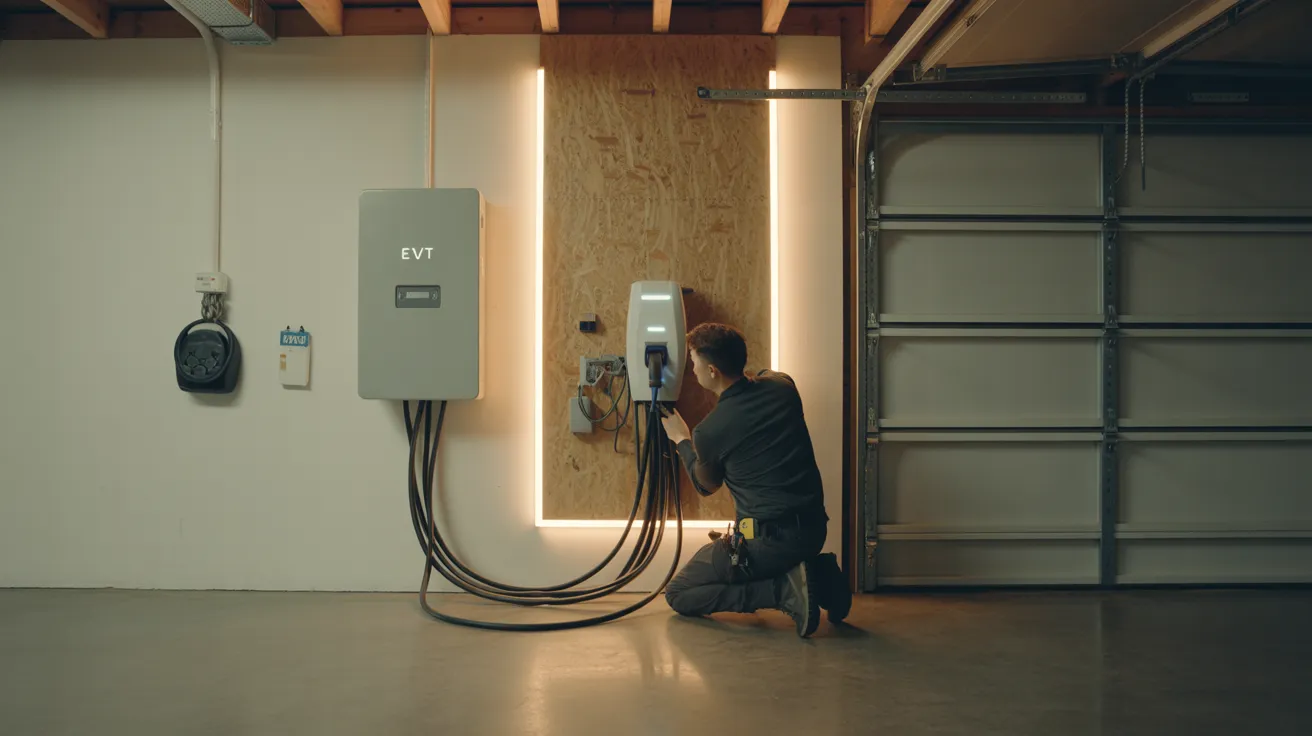
Certainly, help is available for EV charger selection and utility rebate applications. Envision your driveway as a dock; you'll pick a charger like a ship's anchor—balanced, code-compliant, and certified. I examine panel capacity, more info load calculations, and charger compatibility (SAE J1772, CCS, NEMA, OCPP), then identify NEC-compliant wiring, GFCI protection, and labeling. I prepare permit drawings, commissioning data, and proof of rebate eligibility, handle utility forms, and schedule inspections—focusing on safety, interoperability, and reliable performance.
Is Financing or Are Payment Plans Available for Larger Electrical Projects
Certainly—major electrical projects typically provide financing or payment plans. You can select structured payment alternatives, staged by milestones and inspections, or apply for credit plans with fixed APR and specified terms. We'll evaluate the load calculations, panel capacity, and permit requirements, then align payments with regulation-compliant phases: design, rough-in, inspection, and final. You'll receive transparent estimates, no prepayment penalties, and clear documentation to assure safety, NEC compliance, and predictable cash flow.
Do You Offer Maintenance Contracts for Ongoing Electrical System Care?
Certainly—You can register for maintenance contracts. With 43% of electrical failures connected to poor maintenance, you'll minimize risk through planned inspections, infrared thermography, torque verification, and arc-fault testing. We track load calculations, panel labeling, and GFCI/AFCI verification to remain NEC-compliant. Contracts include proactive upgrades—surge protection, bonding corrections, and grounding enhancements—plus emergency response priorities. You'll receive documented reports, deficiency remediation plans, and lifecycle forecasts to maximize reliability, safety, and downtime prevention.
What Warranties Are Available on Parts and Labor?
You get a Parts warranty matched to manufacturer terms—typically 1–5 years—addressing defects under normal operation. Our Labor guarantee runs 1 year, ensuring code-compliant workmanship satisfies NEC and local amendments. You initiate claims through documented service records; we verify installation, load ratings, and breaker/fault protection. Exclusions include misuse, unauthorized modifications, or environmental damage. We repair or replace defective components and retest circuits, grounding, and AFCI/GFCI functionality to re-establish safe, compliant performance.
Summary
When you test the theory that "any electrician will do," you find gaps: imprecise scopes, code deficiencies, and safety workarounds. With Ana Electric, you verify the opposite. You get designs that meet NEC standards, power load calculations, accurate labeling, arc-fault and ground-fault protection, and accurate testing. You receive permits, inspections, as-built drawings, and documented warranties. You see clear pricing, milestone check-ins, and a final inspection with the punchlist completed. In practice, you don't gamble—you commission work that's safe, auditable, and built to code.